
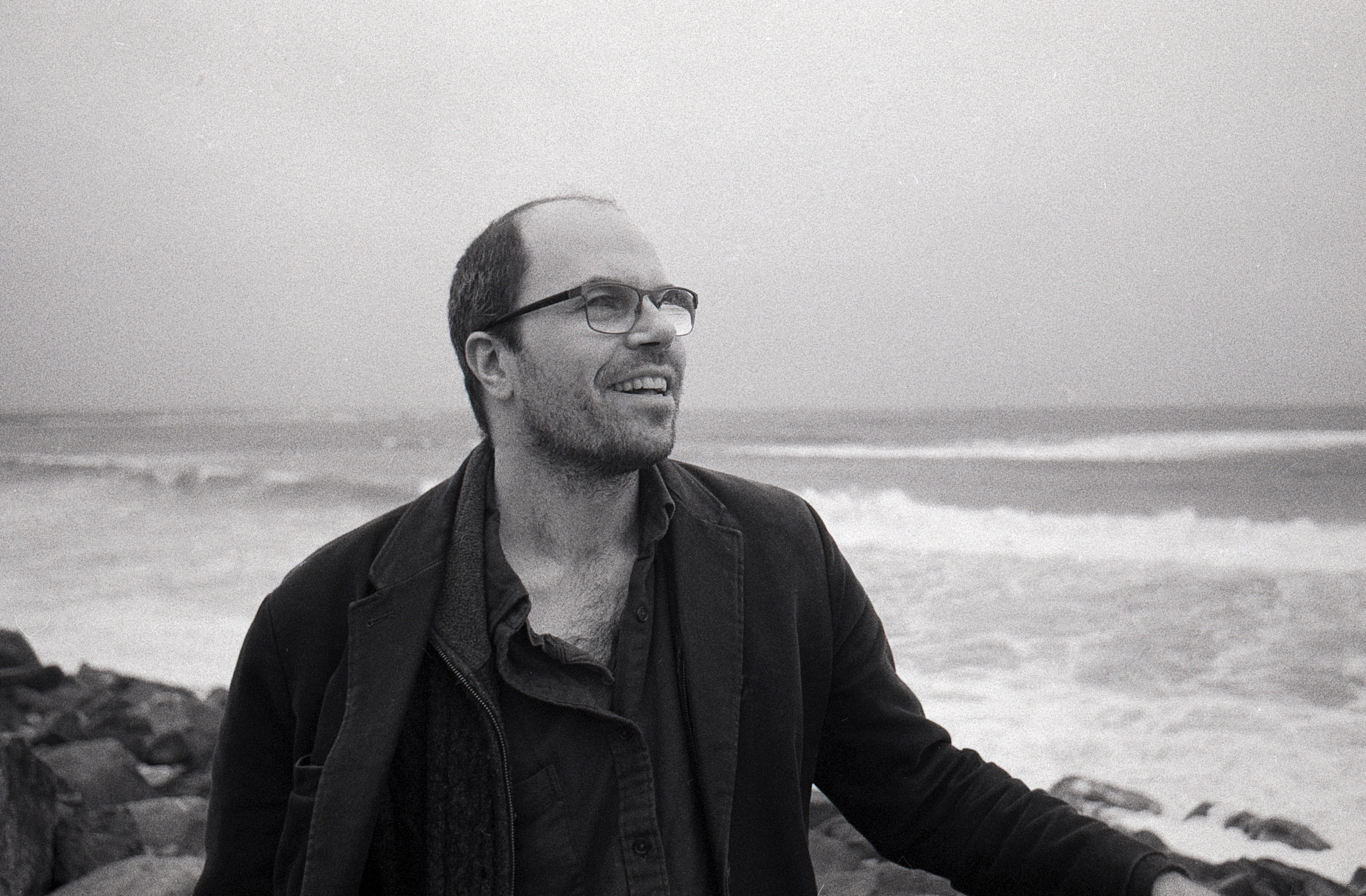
Professor Gary A. Boyd
Principal Investigator
After centuries, coalmining is ending in Europe. Few will be sorry to say goodbye to an industry that epitomises the causes and effects of climate change. But while its environmental impact is now starkly and painfully obvious, Architectures of Coal and Modern Europe (ACME) explores another side of coalmining whose legacies and residues remain in various and often unexpectedly progressive forms. It argues that, responding to the unique conditions of coalmining – underground working practices, the critical importance of labour and its struggles, economic primacy, and social and environmental degradation – architecture emerged as both site and transmitter of an intense and unprecedented level of technological and social innovation, one where advanced definitions of the social contract were developed and tested. ACME provides a new synthesis of methodologies including architectural visualisation to reappraise their significance by exploring and establishing the architectures of coal as ecologies: forms, systems, networks and connections that existed both within and across the buildings and landscapes coalmining created within the sphere of housing, health, education, and modernisation. It explores how these ecologies were pivotal to the creation of can be described as the coalmining episteme – the coalscape – a pervasive, interdependent network of beliefs and practices that enfolded geologies, energies, bodies and space to exert a significant influence on the social and spatial foundation of modern Europe, including its welfare state projects and the origins of the European Union. By examining this overlooked and mostly disappeared collective of architectures and landscapes in Belgium, France, Poland and the United Kingdom, ACME not only demonstrates a neglected but fundamental contribution to modern Europe but also provides a crucial new piece of intellectual infrastructure with which to rethink the critical intimacies between our energy sources, cultural and social lives and built environment, that have contributed to the Anthropocene.
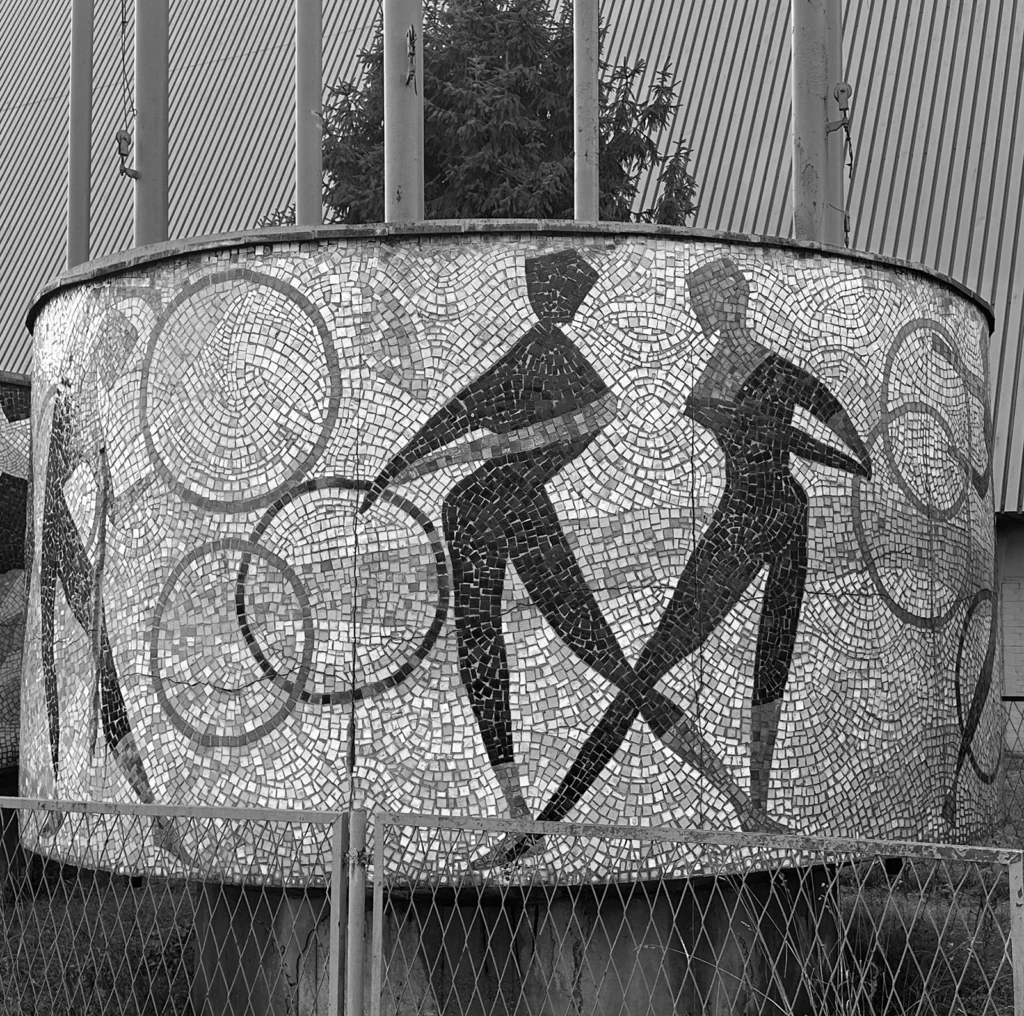
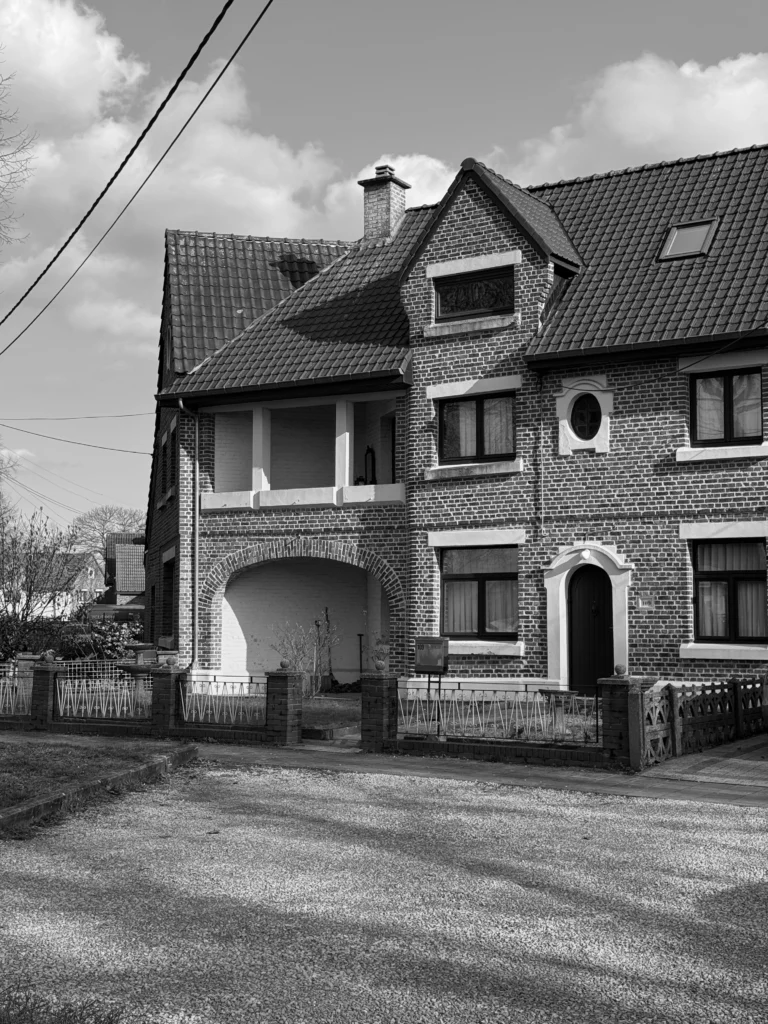
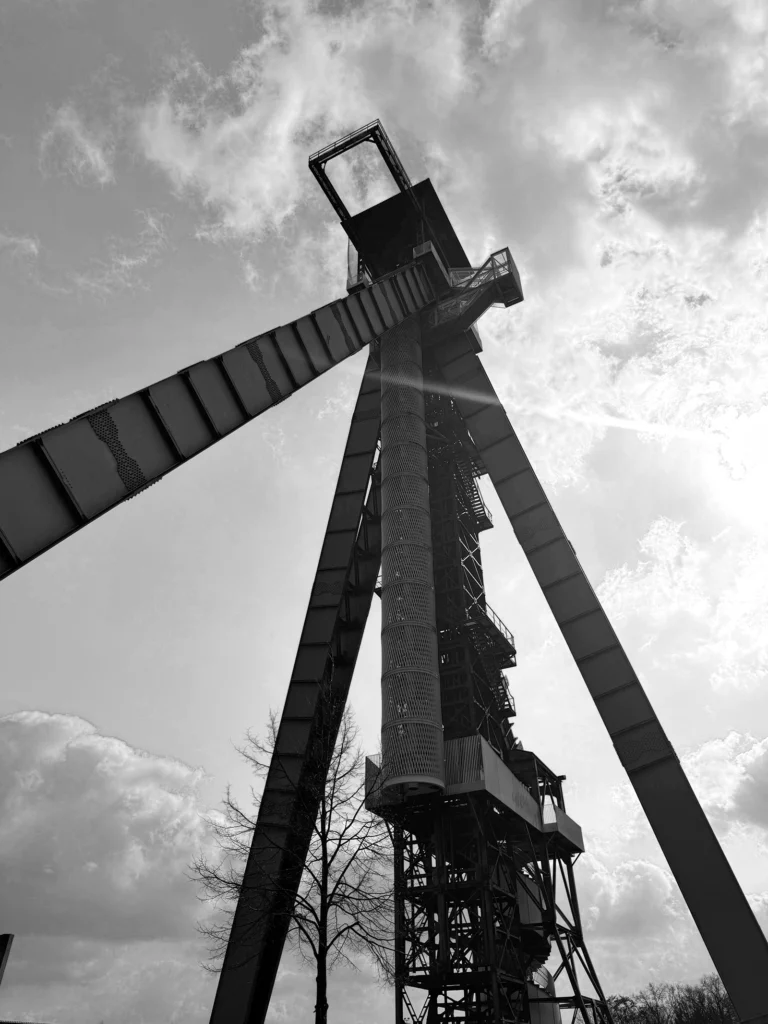
The primary researchers, collaborators, and advisors working across ACME’s five themes.
Principal Investigator

Research Scientist
Research Scientist

Research Scientist

PhD Student

PhD student
Project Manager