Research
ACME (Architecture of Coal in Modern Europe) is a multi-disciplinary research project funded by the European Research Council (ERC) that examines how coal extraction influenced architectural practice, labour regimes, knowledge systems, and social infrastructures across Europe.
ACME seeks to evoke, explore and substantiate a coalmining épistémè – the coalscape – a pervasive, interdependent network of ecologies, beliefs and practices that enfolded geologies, energies, bodies and space to exert a significant influence on the social and spatial foundation of modern Europe, including its welfare state projects and the origins of the European Union.
ACME is articulated by an innovative approach where its research themes – identified as the key architectural ecologies in coal-mining’s contribution to European society – are animated by modes of enquiry designed to oscillate between the physical and other territories and connections that together define an ecological system. By doing so it will realise new understandings not only on how these pieces of architecture – whose significance as a collective has been neglected – shaped modern Europe, but also provide a timely and crucial new piece of intellectual infrastructure for future research into the complex role of architecture and space within the Anthropocene.
Expected Impact
The research themes/work packages of ACME are animated by four distinct but overlapping modes of enquiry, cultural landscapes, controversy, close readings, and design visualisation. Distilled from and integrating techniques from across humanities and spatial disciplines, together they realise a perspective framework: a precise, mutually informative response to, and means of engagement with the socio-spatial history of modern coalmining. The latter’s specificities and complexities necessitate this broad interdisciplinary approach. While the four different modes employ distinct methods, they can be placed in two categories. Cultural landscapes and controversy excavate the contextual circumstances surrounding coalmining. Drawing principally from archival and desk-based methods, they provide context and direction for the more focussed and spatially orientated close readings and design visualisation modes. The latter involve desk, archival and fieldwork activities. Taken together the modes provide new ways of both seeing and making visible the architectures of coalmining and their influences and wider impacts.
Work Packages
Coal mining left its mark on the landscape, the buildings, the bodies, and the minds of those who lived through its expansion. Explore our research across five interconnected themes.
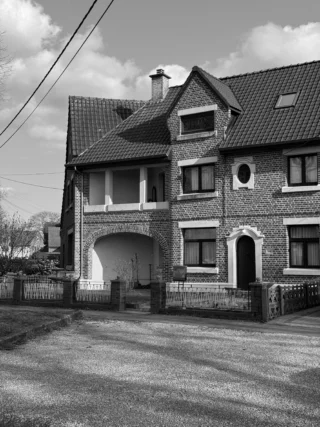
- Settlements and HousingPlanned towns, workers’ housing, and domestic life in coal regions.
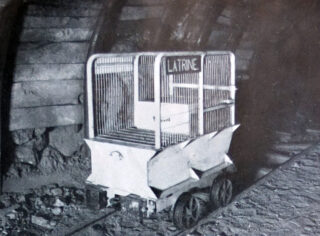
- Medical and HygieneHealth infrastructures, welfare provision, and industrial medicine
- Education and ExchangeTraining, expertise, and the circulation of knowledge across borders.
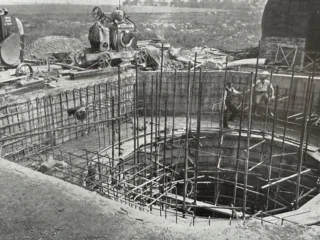
- The Modernised IndustryIndustrial architecture, technologies, and systems of production.
- Excavating the CoalscapeLandscapes of extraction, infrastructure, and environmental change.