WP5
Excavating the Coalscape
Landscapes of extraction, infrastructure, and environmental change.
Contributors

Professor Gary A. Boyd :Principal Investigator
Overview
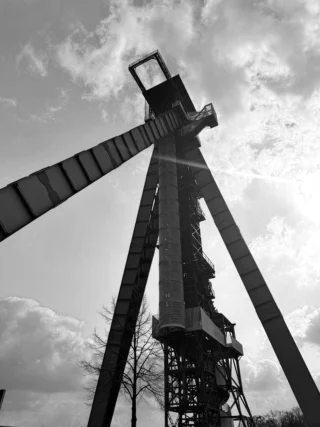
Central to the ACME project is the assumption that its research themes investigate ecologies – series of interconnected systems where the physical creation and alteration of architecture and space engages in reciprocal relationships with flows of technical, cultural and other information and ideas. WP5 – the principal investigator’s monograph – seeks to synthesise knowledge produced across the ACME project to develop the idea of the coalscape, a grand ecology that not only enfolds all the other identified architectural ecologies of coal but also, it argues, significantly influenced the shaping of twentieth-century Europe. It substantiates the argument that this coalscape – this physical and intellectual territory – represented an épistémè, an underpinning set of ideas that, grounded in our need and search for energy, conditioned a collective understanding of the world. Of particular interest are two themes and the relationships between them: how coal and coalmining shaped and continues to shape how we consider: (i) the environment and the earth’s resources; and (ii) the social position of the labour used to extract them. The latter concerns the idea of welfare. The monograph does this by occupying a position of extremis within the social-spatial history of coalmining in Europe. It takes the period of terminations within coal mining as a hinge point from which to examine its architecture and the ideologies and presumptions it embodied and the legacies it produced. Spanning the period from the 1980s until 2018, it explores how the fates of these architectures and the different strategies deployed in ending coalmining across Belgium, France, Germany and the United Kingdom reveal larger positions and belief structures regarding labour and energy resources. Some of these represent stoppages, some continuations, some are nation-centric and some more international. Collectively they articulate the relationship between the coalscape in Europe and what can be described as its successor, the post-coal landscape. If the coalscape can be termed an épistémè, the monograph explores both not only its ultimate fragility but also examines its resilience in the persistence of some of its key ideas and spatial and architectural consequences of an economy based on extraction.
Other Work Packages
WP1
Settlements and HousingPlanned towns, workers’ housing, and domestic life in coal regions.
WP2
Medical and HygieneHealth infrastructures, welfare provision, and industrial medicineWP3
Education and ExchangeTraining, expertise, and the circulation of knowledge across borders.WP4
The Modernised IndustryIndustrial architecture, technologies, and systems of production.